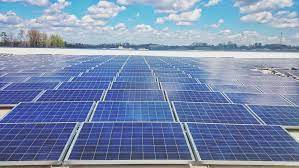
In efforts to reduce the gap in access to electricity in Nigeria, the country has started the disbursement of a N140 billion intervention facility by the Central Bank of Nigeria (CBN) to domesticate renewable energy technology and leapfrog mini-grid solutions.
While the Sustainable Development Goals aimed at universal access electricity, access rate remained at 60 per cent in Nigeria, although the situation is fair in the urban areas, less than 41 per cent of rural areas have access to electricity. According to CBN, 85 million Nigerians do not have access to grid electricity. This represents 43 per cent of the country’s population and makes Nigeria the country with the largest energy access deficit in the world.
Furthermore, lack of reliable power is a significant constraint for citizens and businesses, resulting in annual economic losses estimated at $26.2 billion (₦10.1 trillion) which is equivalent to about 2 per cent of GDP. The 2020 World Bank Doing Business report, ranked Nigeria 171 out of 190 countries in getting electricity and electricity access is seen as one of the major constraints for the private sector.