Photography requires light, this is why having lenses with wide apertures can be useful in low-light situations since a wider aperture essentially allows more light to hit the camera’s sensor. It is also why when shooting in a studio, lighting is extremely important. But what if there is almost no light available?
Sure, there are cameras that can shoot infrared photos, but those tend to be a bit more specialized and niche, but Canon thinks that they can solve that problem.
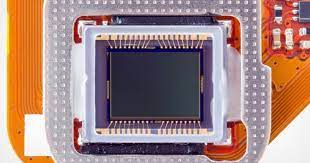
According to a report from Nikkei Asia (paywall), it appears that Canon has developed a new imaging sensor that is capable of snapping photos in color even in near-total darkness.
This sensor is known as a SPAD (single photon avalanche diode), it can use a single photon and multiply the effects of it, giving it over 10 times the sensitivity to light than traditional sensors that would typically require multiple photons over a period of time. This means that this camera can effectively “see” in the dark.
SPAD technology isn’t exactly new, but Canon’s achievement is that they’ve developed a 3.2MP sensor for it, making it three times as dense as its predecessor. That being said, it seems unlikely that this tech will be making its way into our phones or cameras anytime soon. If anything, it sounds like it might be perfect for robots or self-driving cars that might encounter driving scenarios where there is little ambient light, but it’s still pretty cool.
Canon intends to launch the new sensor in security cameras first by 2023 and will begin mass production in 2022. According to Nikkei, Canon intends to use much of its existing CMOS image sensor manufacturing equipment to make the SPAD sensors which will save them time and money over having to build new factories or ship in new equipment.
While there is currently a large amount of demand for sensors in the smartphone market, Canon and others are preparing for an uptick in demand in the autonomous sector in the coming years, namely for vehicles and robotics. 3D-capable sensors like the SPAD here will become more valuable, as the market is expected to be worth $15 billion by 2025.