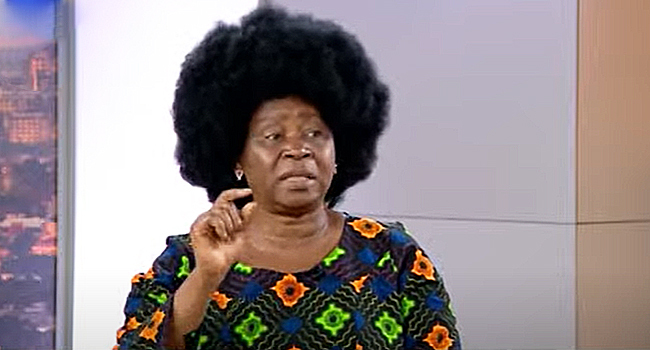
A former Country Director of ActionAid Nigeria, Ene Obi, has raised concerns over the increase in campaign spending limits introduced in Nigeria’s newly amended electoral law, questioning both the practicality of the figures and the sources of campaign financing.
Obi spoke on Sunday at the Citizens’ Townhall on the Electoral Act 2026 held in Abuja, where she examined key provisions of the new legislation and their implications for Nigeria’s electoral process.
Reacting to the revised spending thresholds, Obi noted that while the limits were adjusted from those contained in the 2022 law, the new figures raise critical questions about equity and transparency in political participation.
“For the campaign limits now, the presidential campaigns used to be five billion in 2022, and now it has been taken to ten billion, and the governorship, from one billion has been taken to three billion.
“Many people look at who wants to go in for elections, where are they going to get one billion? Another thing we need to look at is the source of whatever money they are talking about,” she said.
She warned that without stronger oversight of funding sources, the higher ceilings could deepen concerns about undue influence in the political process.
Nigeria’s electoral framework was revised after President Bola Tinubu signed the Electoral Act 2026 into law on February 18, following its passage by the National Assembly.
The new law significantly increases campaign spending limits, raising the presidential cap from ₦5 billion to ₦10 billion and the governorship limit from ₦1 billion to ₦3 billion.
Senate candidates can now spend up to ₦500 million, House of Representatives candidates ₦250 million, and State Assembly candidates ₦100 million, while the donation limit jumps from ₦50 million to ₦500 million.
The Act also mandates electronic transmission of results, formally recognises BVAS, imposes stricter penalties for electoral offences, and shortens timelines for resolving election disputes.