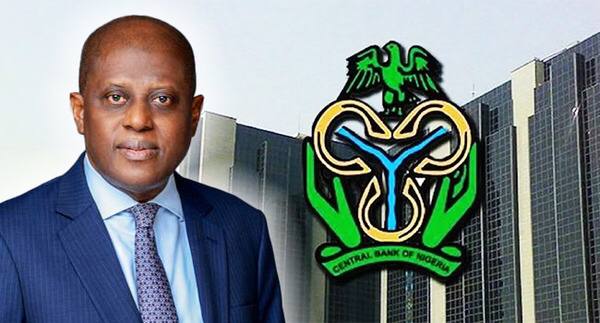
As the 2026 International Monetary Fund (IMF) and World Bank Annual Meetings ended in Bangkok, Thailand, the Governor of the Central Bank of Nigeria (CBN), Mr Olayemi Cardoso, was asked what Nigeria needed to do to sustain investor confidence. His response was brief but emphatic: “Stay the course.” Those three words captured Nigeria’s message to the international financial community under the theme, “From Stability to Growth.” Having implemented difficult economic reforms to stabilise prices and the naira, the country is now seeking to translate those gains into job creation, affordable credit and sustainable economic growth. BuyMaps
Cardoso presented economic indicators suggesting that the reforms were beginning to yield results. According to him, headline inflation declined to 14.63 per cent in September 2026, compared with approximately 34.8 per cent at the end of 2024. Although prices continue to rise, the slower inflation rate indicates easing pressure on households and businesses, providing a foundation for improved economic planning and investment.
Nigeria’s foreign exchange reserves have also surpassed $55 billion, their highest level in 18 years, according to the CBN governor. The stronger reserve position provides a buffer against external shocks, supports foreign exchange market stability and strengthens confidence in the country’s ability to meet international obligations. Another significant development is the banking sector recapitalisation programme, through which financial institutions raised N4.65 trillion in fresh capital. More than 70 per cent of the funds came from domestic investors, reflecting substantial local participation in strengthening the financial system. “This strong domestic participation is an important vote of confidence in the resilience and long-term prospects of Nigeria’s banking system,” Cardoso said.
CBN takes Nigeria’s economic reset agenda to global stage


Leave a comment
Leave a comment