Cambridge University researchers have developed a test that spots dangerous prostrate cancer. Current methods mean that differentiating between harmless and aggressive prostate tumours is incredibly difficult – especially at an early stage.
The tumour can be lethal for some men, while in others they grow slowly and may never cause any problems. As a result, as many as 20,000 men a year undergo unnecessary surgery or radiotherapy. At the moment, doctors can determine the size of a tumour, but not how active it is.
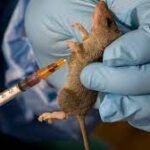
However, in a trial, a non-radioactive form of carbon, called carbon-13, was attached to a sugar-like molecule and injected it into a vein near the tumour, they discovered that if the carbon-13 was retained by the tumour, it indicated there was a high amount of lactate being produced, a sign that the cancer is aggressive. Scientific breakthrough indeed.