Facebook users everywhere experienced an unexpected and prolonged service blackout that affected access to all of its apps, including WhatsApp, Instagram, and Messenger. In the time since, Facebook has published two blog posts explaining what happened.
The company published its first blog post explaining what caused the dramatic problem. Santosh Janardhan, VP of infrastructure at Facebook, wrote that “the root cause of this outage was a faulty configuration change,” elaborating that “configuration changes on the backbone routers that coordinate network traffic between Facebook’s data centers” were where the issues occurred.
That network traffic disruption not only halted services on Facebook-owned apps such as WhatsApp but it also “impacted many of the internal tools and systems we use in our day-to-day operations, complicating our attempts to quickly diagnose and resolve the problem,” Janardhan adds.
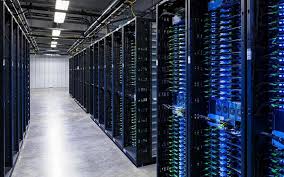
Facebook published another, more detailed blog post explaining exactly what went wrong. In it, Janardhan writes that “the backbone” he previously referenced “is the network Facebook has built to connect all our computing facilities together,” and this network also links together all of Facebook’s data centers across the world through physical wires and cables. These data centers are responsible for storing data, keeping the platform running, and connecting Facebook’s network to the rest of the internet.
During a routine maintenance job, “a command was issued with the intention to assess the availability of global backbone capacity,” but it “unintentionally took down all the connections in our backbone network, effectively disconnecting Facebook data centers globally” from each other, and severing their connection to the internet. To make matters worse, the audit tool that usually prevents mistakes like this didn’t catch the problem, due to a bug.
“The end result was that our DNS servers became unreachable even though they were still operational. This made it impossible for the rest of the internet to find our servers,” Janardhan wrote. “The total loss of DNS broke many of the internal tools we’d normally use to investigate and resolve outages like this.”